1. Kopf
  2. Navigation
  3. Unternavigation
  4. Inhalt
  5. Fuß
Kopf
Radebeul Homepage

Language: Deutsch | English

Legal note | Sitemap
Navigation Unternavigation
 
You are here: Homepage / Tourism & Culture / Experience and Enjoy / Winetasting / Viticulture in Saxony
Inhalt

Viticulture in Saxony

Saxony is one of the smallest winegrowing regions in Germany

Vineyards

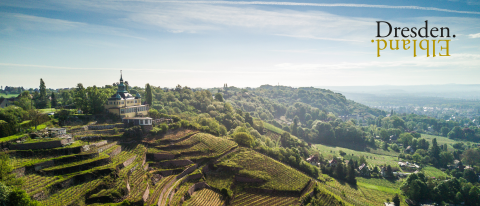
Saxony's grape-growing area extends over only 450 ha, which gives it just a 0.3% share of the total surface area dedicated to winegrowing in Germany. Saxony is one of the smallest winegrowing regions. It is also the north-easternmost winegrowing area in Europe. All of the vineyards here lie north of 51 degrees latitude.

In Saxony most vines are situated on steep hillsides, which means that work on the vineyards can only be carried out manually, and is often very labor-intensive. Terraced vineyards have 800 years of tradition here. The secret is an unusual mix of high-quality mineral soil, a particular diversity of vines and an almost continental climate which demands a great deal of the winegrower and the vine.

The result is a wine which tastes breathtakingly good.

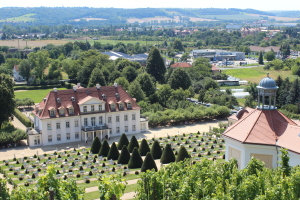
It is the product of a viticultural landscape listed for preservation which is one of the finest wine regions in Europe, and also one of the most dynamic. The Saxon winegrowing region is divided into 17 single winegrowing estates. These include those with the typical terraced vines such as the Radebeul "Goldene Wagen", the Königliche Weinberg (Royal Vineyard) in Pillnitz, and the Kapitelberg in Meißen.

Climate

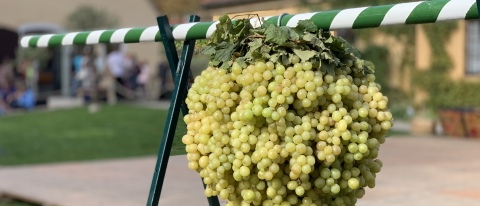
Grapevines

Special climatic circumstances create ideal conditions for winegrowing in the Elbe region. The region around the "Saxon Nice" enjoys a Mediterranean microclimate. As a result, spring begins a week earlier here than in the surrounding upland. This means that the grapevines flower earlier than usual. That, coupled with a balanced amount of annual precipitation, and an above average heat-sum (The sum of all average daytime temperatures during the entire vegetation period from budding to leaf-fall), along with above-average sunlight hours (1,570 hours on average per year) provide the wine with a lengthy maturation time.
Only winter frosts and especially spring frosts pose a significant risk for the winegrower. The areas further away from the Elbe are particularly vulnerable to frost, since the river acts as a natural heating coil. The constant change in the continental climate produces extract-rich, multifaceted wines.

Wines

Dark grapes

Traditional varieties previously familiar only to connoisseurs are becoming increasingly popular in the world of Saxon winegrowing. As a result, during the last several decades, there has been an increase in the number of varieties of Burgundy produced.
Red wines like the Blaue Spätburgunder and the Dornfelder are also gaining in popularity, however. Dry wines are produced primarily, although off-dry wines with a discrete residual sweetness have also established themselves in the last few years.
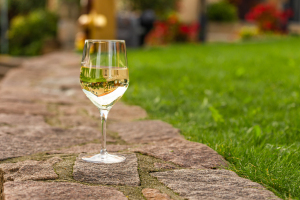
The most prevalent vine in the Saxon winegrowing region is the Müller-Thurgau, followed by the Riesling and the Weißburgunder (Pinot Blanc).


Fuß